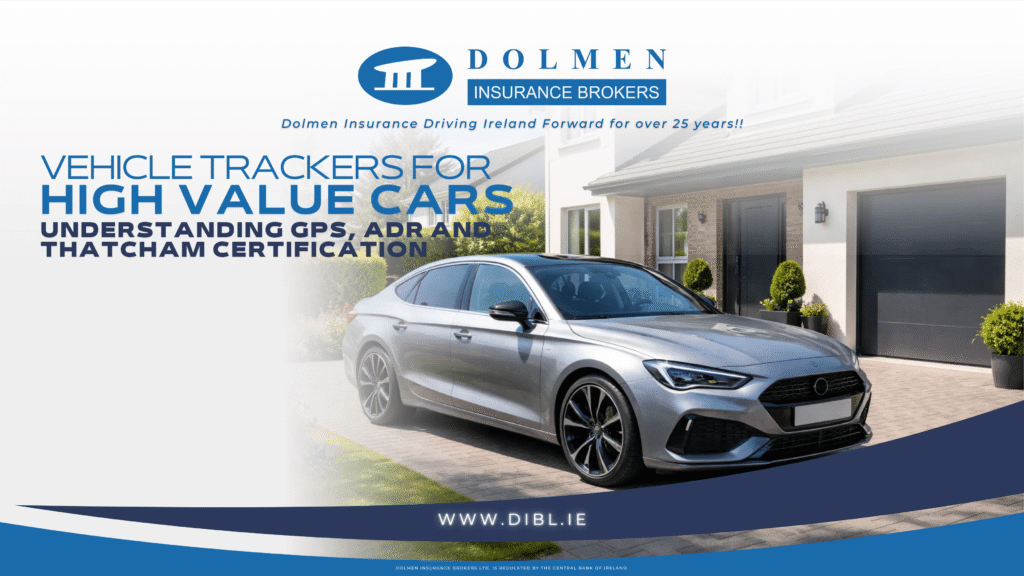
Vehicle theft has become increasingly sophisticated. Relay attacks, key cloning and CAN bus intrusions mean that a locked car in a driveway is no longer the barrier it once was.
- In a relay attack, thieves use electronic devices to amplify the signal from a key fob inside the home, tricking the car into thinking the key is present and unlocking or starting without it.
- Key cloning involves capturing and duplicating the unique signal a key fob broadcasts, creating a working copy without ever physically handling the original.
- CAN bus intrusion goes a step further: thieves access the vehicle’s internal electronic network directly, often through the headlight wiring or wheel arch, and inject commands that mimic the key signal, starting the car without any key at all.
For owners of high-value vehicles a quality vehicle tracker is no longer simply a nice-to-have. For many, it is a condition of insurance.
This article explains how modern vehicle tracking systems work, the critical difference between GPS-only and ADR-equipped systems, and why Thatcham certification is the standard that matters most to insurers.
What is Thatcham Research?
Thatcham Research is a not-for-profit organisation, founded by and funded by the UK insurance industry, that has set the benchmark for vehicle security since 1969. It independently tests and certifies vehicle security products — including alarms, immobilisers, and trackers — against rigorous, standardised criteria. When a product earns Thatcham certification, insurers can be confident it has been assessed for real-world reliability, tamper resistance, and performance.
Thatcham is not a brand of tracker — it is the governing body whose certification a tracker must earn. Many of the leading tracker brands (including Tracker™, Meta Trak, ScorpionTrack, and Vodafone Automotive) manufacture products that are then independently assessed and classified by Thatcham. A Thatcham certificate of installation is typically required as proof of compliance by your insurer.
Thatcham certification is the market standard recognised by virtually all insurers in Ireland and the UK. If your insurer specifies a tracker, they will almost always mean a Thatcham-certified device installed by a Thatcham-recognised installer.
The Two Tracker Categories: S7 and S5
There are two current Thatcham categories for vehicle trackers: S7 and S5. Both require professional installation and 24/7 monitoring by a secure control centre, but they differ significantly in the level of protection they offer.
Thatcham S7 — Stolen Vehicle Recovery
An S7 tracker is a GPS-based stolen vehicle recovery system. Once a theft is reported or detected, the monitoring centre uses live GPS data to track the vehicle’s location and liaises with police to coordinate recovery. S7 systems typically include:
- Real-time GPS location tracking
- 24/7 secure monitoring centre
- Motion and tamper alerts — triggered if the vehicle is moved unexpectedly or the device is interfered with
- Internal backup battery — continues to function if the vehicle’s power supply is cut
- Smartphone app access to view vehicle location
S7 is the entry-level Thatcham category and is commonly required for mid-value vehicles or those at moderate theft risk. It is a robust reactive system — meaning it excels at recovery after a theft has occurred, but it cannot distinguish between an authorised driver and a thief.
Thatcham S5 — GPS Tracking with Automatic Driver Recognition (ADR)
S5 is the highest Thatcham tracker category and adds a key layer of security: Automatic Driver Recognition (ADR). This is the main difference between S5 and S7 and is vital for modern theft methods.
With an S5 system, the authorised driver carries a small ID tag — usually a key fob, card, or smartphone credential. Then, when the vehicle is started or moved, the tracker checks for a valid tag. If none is detected, the monitoring centre is alerted immediately and contacts the owner. If confirmed as theft, police are notified in real time with live location data.
This matters because GPS-only systems cannot detect cloned keys or relay attacks. In contrast, an S5 flags suspicious movement as soon as the ADR tag is missing, no matter how the car was started.
S5 features everything in S7, plus:
Automatic Driver Recognition (ADR) — mandatory
Immediate alert if the vehicle moves without a recognised tag
Proactive theft detection, not just recovery
Optional remote immobilisation on S5+ systems
Note: S5+ (“Cat 5 Plus”) adds remote immobilisation. This is optional since 2019, but valuable for maximum protection.
GPS vs ADR: Why the Distinction Matters
The difference between a standard GPS tracker and an ADR-equipped system is clear when looking at how high-value vehicles are stolen.
Relay theft — where devices amplify your key fob signal — is the most common method, alongside key cloning and OBD port attacks. In all cases, the thief presents a “legitimate” signal, and a GPS tracker alone cannot tell the difference from a normal journey.
ADR adds a second authentication step with a driver tag. If the tag isn’t present, an alert is triggered immediately, often within seconds. This means ADR can detect theft in progress, rather than just helping recover the car afterward.
For owners of high-value vehicles, prestige marques, or any car on a high-theft-risk model list, S5 with ADR is strongly recommended — and is increasingly a condition of cover rather than simply an option.
S5 vs S7: At a Glance
Feature | Thatcham S7 | Thatcham S5 |
GPS Real-Time Tracking | Yes | Yes |
24/7 Monitoring Centre | Yes | Yes |
Motion & Tamper Alerts | Yes | Yes |
Backup Battery | Yes | Yes |
Smartphone App | Yes (most models) | Yes |
Automatic Driver Recognition (ADR) | No | Yes — mandatory |
Theft Alert Without Keys Present | No | Yes |
Remote Immobilisation (S5+) | No | Optional add-on |
Insurer Requirement Level | Mid-value vehicles | High-value / high-risk |
Typical Cost (supply & install) | €200–€400 | €400–€700 |
What This Means for Your Insurance
Insurers assess vehicle theft risk by make, model, value, and security measures. For this reason, a Thatcham S5 tracker is now mandatory for many high-value cars. Otherwise, using a non-certified device or installer can invalidate a claim.
Even if not required, an S5 tracker can impact your premium. Trackers improve recovery rates and reduce total loss claims, often leading insurers to offer discounts.
Key points to remember:
Check your policy or speak to your broker before buying a tracker.
Installation must be done by a Thatcham-recognised installer with a certificate.
Keep ADR tags separate from keys; both together reduce effectiveness.
Maintain your monitoring subscription to ensure alerts work correctly.
Confirm extra ADR tags for multiple drivers if needed.
Unsure which tracker your policy requires? Speak to us before installation. We can confirm requirements and help you get the right product.
Manufacturer Tracking Services: A Word of Caution
Many prestige manufacturers now offer their own connected vehicle services that include a location tracking feature. Common examples include BMW ConnectedDrive, Mercedes Me, Porsche Vehicle Tracking Service Plus (PVTS+), Land Rover InControl, Audi Connect and Volvo On Call. These are often available as subscription services activated through the manufacturer’s app, and some are offered as factory-fitted options or included for a defined period with a new vehicle purchase.
While these services can be useful — and in some cases are operated by reputable tracking companies on behalf of the manufacturer (Porsche’s PVTS+, for example, is run by Vodafone Automotive and does include ADR fobs) — owners of high-value vehicles should not assume that a manufacturer tracking subscription will automatically satisfy their insurer’s requirements. There are two key issues to be aware of.
1. Most OEM (Original Equipment Manufacturer) Systems Are Not Thatcham Certified
The majority of manufacturer-branded location services do not hold Thatcham S5 or S7 certification. BMW’s built-in tracking, for instance, can be switched off from within the vehicle — which means it does not meet the tamper-resistance requirements that Thatcham certification demands. Mercedes Me is similarly described by Mercedes-Benz themselves as a convenience feature rather than a security product, and does not meet Thatcham standards. Insurers who specify a Thatcham-certified tracker will not accept these manufacturer apps as equivalent, and declaring one when renewing could leave a claim exposed.
2. Subscriptions Must Be Active and Current
Where a manufacturer service does meet insurer requirements — as is the case with Porsche PVTS+ in Ireland, which has been accepted by insurers including Chubb — the subscription must be kept active and current at all times. Some manufacturers offer a complimentary period (typically one to three years) when the vehicle is new, after which an annual subscription fee applies. If that subscription lapses, the monitoring ceases and the tracker condition of the policy is no longer satisfied. This is a surprisingly common oversight, particularly where a vehicle changes hands or where the renewal reminder is missed. Owners should check at every insurance renewal that their tracking service subscription is live and that their insurer is aware of the specific system in place.
As a general principle, where an insurer specifies a Thatcham S5 or S7 tracker as a condition of cover, only a device that has earned that specific certification — installed by a Thatcham-recognised engineer — will satisfy that requirement. If you are unsure whether your manufacturer’s tracking service meets your policy conditions, please speak to us before renewal.
A Note on Non-Thatcham Trackers
Consumer GPS trackers — such as those purchased online and self-installed — are not Thatcham-certified and will not satisfy an insurer’s tracker requirement. While they may provide basic location information via a smartphone app, they lack the 24/7 professional monitoring, tamper protection, police liaison, and independent certification that Thatcham approval requires. For insurance purposes, only a certified device professionally installed by a Thatcham-recognised installer will count.
Disclaimer:
The information provided in this blog is for general guidance and informational purposes only. While every effort has been made to ensure accuracy at the time of publication, Dolmen Insurance Brokers Ltd accepts no responsibility for any errors, omissions, or changes in legislation. Insurance policies and cover requirements may vary based on individual business needs and circumstances. This blog does not constitute legal, financial, or insurance advice. Readers should consult a qualified insurance broker or advisor to obtain advice specific to their situation. Dolmen Insurance Brokers Ltd is regulated by the Central Bank of Ireland.