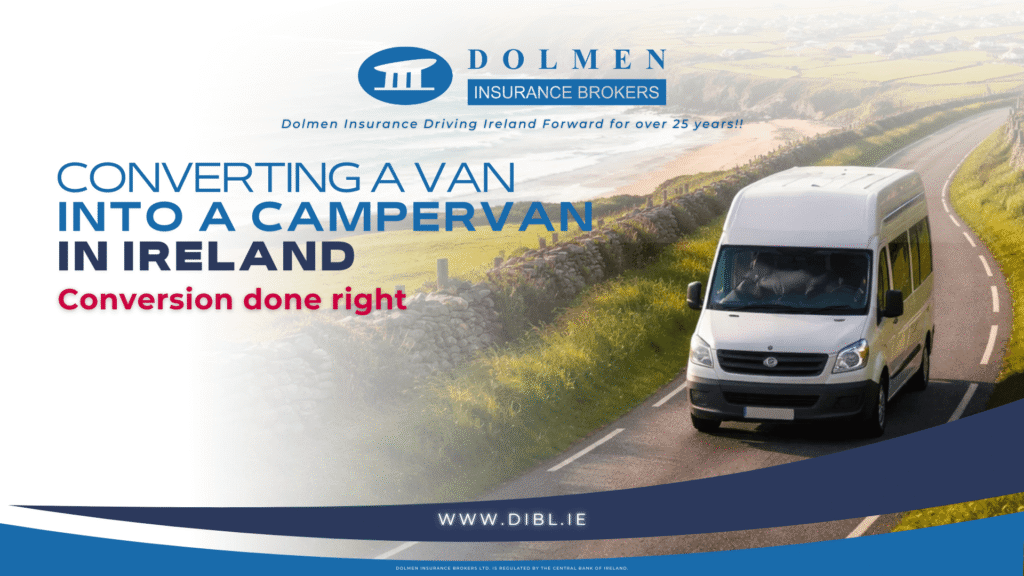
The appeal of campervan travel is easy to understand. Whether it’s weekend escapes along the Wild Atlantic Way, exploring hidden coastal roads, or taking longer European adventures, a campervan offers freedom that’s hard to match.
For many people, converting a van into a campervan is a more affordable alternative to buying a factory-built model and allows them to create a vehicle tailored to their own travel style. However, before you begin fitting furniture or planning electrical systems, there are several important considerations to understand.
This guide walks you through what to consider before starting a campervan conversion in Ireland.
Is a Campervan Conversion Right for You?
Before buying a van or planning a layout, it’s worth taking a step back. A conversion is an investment of time, money, and effort, and it doesn’t suit everyone.
Ask yourself:
- How often will you realistically use the campervan?
- Will it be for weekends, long road trips, or full-time travel?
- How many people will sleep in it?
- Do you need space for pets, sports gear, or remote working?
Many people find it helpful to rent a campervan first. Spending even a few nights on the road can quickly highlight what works, what doesn’t, and what you’d want to change in your own build.
Choosing the Right Van to Convert
The van you start with will shape everything that follows. Size, weight, and mechanical condition all matter.
Payload and weight limits
Every van has a maximum payload – the total weight it can safely carry, including passengers, fittings, water, and personal belongings. Campervan conversions add weight quickly, especially once insulation, furniture, batteries, and water tanks are installed.
Exceeding payload limits can affect:
- Handling and braking
- Tyre and suspension wear
- Roadworthiness testing
- Insurance eligibility
Weight should also be distributed evenly across the vehicle to avoid long-term mechanical issues.
Height and wheelbase
Higher-roof vans allow you to stand up inside, making them more comfortable for longer trips. However, they can be more affected by strong winds and may be less suitable for narrow roads or urban parking.
Wheelbase length affects internal space and driving feel. Longer vans offer more room but can be harder to manoeuvre.
Mechanical condition
Before any conversion work begins, the van should be mechanically sound. Check:
- Engine and transmission
- Undercarriage and chassis
- Rust or structural damage
- Mileage and service history
If you’re unsure, having a mechanic inspect the vehicle can save significant expense later.
Planning Your Campervan Layout
Good planning is one of the most important steps in a successful conversion.
Think about:
- Sleeping arrangements
- Cooking and food storage
- Seating and table space
- Storage for clothes and equipment
- Electrical needs (charging, lighting, appliances)
In a compact space, every centimetre counts. Materials also matter – heavier materials may look great but can push the van closer to its weight limit.
Taking time to plan your layout before spending money helps avoid costly changes later.
DIY Conversion vs Professional Build
One of the biggest decisions when converting a van is whether to take on the project yourself or work with a professional converter. Both routes can lead to a great end result, but they come with very different demands in terms of time, cost, skill level, and risk. Understanding what’s involved in each option can help you choose the approach that best suits your budget, experience, and long-term plans.
DIY campervan conversions
A DIY conversion can be rewarding and potentially more cost-effective, but it requires:
- Space to work
- Proper tools
- Time and patience
- Willingness to learn electrical, plumbing, and safety basics
Online tutorials are widely available, but not every design seen on social media is practical, affordable, or suitable for Irish regulations.
Professional campervan conversions
Professional converters bring experience, efficiency, and technical knowledge. Costs vary depending on the level of finish, materials, and features, but professional builds typically include:
- Certified electrical and gas systems
- Proper insulation and ventilation
- Documentation for registration and insurance
While labour adds to the cost, it can reduce risk and stress, particularly for first-time converters.
Legal and Registration Requirements in Ireland
Once your conversion is complete, there are several steps required before the campervan can be legally driven.
Inspection and certification
A Suitably Qualified Individual (SQI) must inspect the campervan and confirm that the conversion meets safety standards. Their report is required for the next stages.
Revenue and VRT
You’ll need to submit documentation to Revenue, including:
- Photos of the completed campervan
- SQI report
- Declaration of conversion
- Receipts for conversion work
Revenue will assess the conversion and advise on any Vehicle Registration Tax (VRT) due.
Roadworthiness testing
A Commercial Vehicle Roadworthiness Test (CVRT) must be booked once the conversion is ready.
Tax class change
Once approved, the vehicle’s registration details and taxation class may need to be updated to reflect its use as a campervan.
Campervan Insurance: What to Know Before You Convert
Insurance is often overlooked until the final stages, but it’s best considered early.
Key factors insurers may assess include:
- Vehicle height and weight
- Declared modifications
- Electrical and gas installations
- Value of the conversion and contents
Failing to declare modifications or exceeding weight limits can lead to cover restrictions or claims issues. Working with an insurance broker can help ensure your campervan is properly insured based on how it’s built and used.
Final Checks Before You Hit the Road
Before setting off on your first trip, make sure you have:
- All registration and tax documents
- Valid roadworthiness certification
- Insurance that reflects the full value of the campervan
- A clear understanding of weight limits and licence requirements
With the right preparation, a campervan conversion can open the door to unforgettable experiences – without unwanted surprises.
At Dolmen, we help campervan owners explore suitable insurance options based on how their vehicle is built and used. Whether you’re planning a DIY conversion or opting for a professional build, our team can guide you through your insurance options and help ensure your investment is properly protected when you take to the road.
Ready to get started? Arrange a Callback or Get a Quick Quote with Dolmen today.
Disclaimer:
The information provided in this blog is for general guidance and informational purposes only. While every effort has been made to ensure accuracy at the time of publication, Dolmen Insurance Brokers Ltd accepts no responsibility for any errors, omissions, or changes in legislation. Insurance policies and cover requirements may vary based on individual business needs and circumstances. This blog does not constitute legal, financial, or insurance advice. Readers should consult a qualified insurance broker or advisor to obtain advice specific to their situation. Dolmen Insurance Brokers Ltd is regulated by the Central Bank of Ireland.