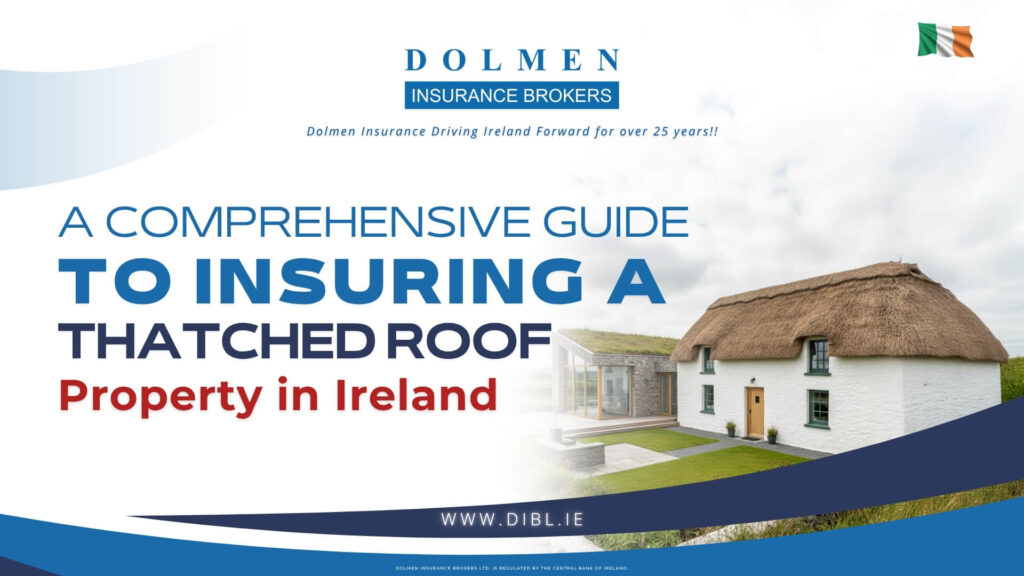
Thatched cottages hold a special place in Ireland’s architectural heritage. Their charm draws many homeowners who love tradition and craftsmanship. If you’re like me, every time you drive by one you say, look kids, a thatched cottage. There’s something very unique and special about them. Yet their beauty also brings unique insurance needs. Understanding those needs helps you protect your home, your investment, and your peace of mind. This guide explains how thatched roof insurance works, what coverage to expect, and what to consider when you upgrade or extend your cottage. It’s important to stress, every thatched roof property is different, therefore every policy will be different.
Why Thatched Roofs Need Specialised Insurance
Thatched roofs differ greatly from modern roofing materials. They use organic materials that react to weather, moisture, and ageing in distinct ways. Therefore, insurers treat them as a higher risk for fire, storm damage, and maintenance issues. Because of these risks, you must secure a policy designed specifically for thatched properties, standard home insurance policies will not provide the cover you need.
Many homeowners feel unsure about the process. However, the good news is that specialist insurers like Dolmen understand these buildings well. They assess your home holistically and offer cover that supports the long-term health of your roof and structure. With the right policy, you avoid gaps that could lead to financial stress after an unexpected event.
Key Types of Insurance Cover for Thatched Roof Homes
Your policy should cover far more than the roof itself. A comprehensive policy usually includes the following types of protection.
1. Buildings Insurance
Buildings insurance covers the structure of your home. This includes the thatched roof, walls, floors, ceilings, and built-in features. Additionally, it protects permanent fixtures such as kitchens, chimneys, beams, and porches. For thatched roofs, this cover is essential because repair and replacement can be costly.
Your insurer may ask for fire-safety improvements. For example, a fire-retardant barrier, a spark arrestor, or updated electrical wiring. These measures lower risk and may help reduce premiums.
2. Contents Insurance
Contents insurance protects your belongings inside the home. This includes furniture, electronics, clothing, and valuables. Although the roof has unique risks, your contents deserve equal protection. If a fire damages the property, this cover helps replace essential items quickly.
3. Fire Cover
Although fire risk has reduced thanks to modern safety standards, thatched cottages still require robust fire cover. Insurers often want evidence of good maintenance. For instance, they may ask for regular chimney sweeping, modern electrics, and proper ventilation. When you follow these steps, you demonstrate commitment to protecting the home, which strengthens your insurance profile.
4. Storm and Weather Damage Cover
Ireland’s climate presents challenges for any roof. High winds, heavy rain, and storms can affect thatch more easily than tile or slate. Therefore, your policy should include storm damage cover. This protection ensures fast repairs if severe weather compromises the structure.
5. Alternative Accommodation Cover
If your home becomes uninhabitable due to a claim, alternative accommodation cover becomes vital. It supports temporary living costs while repairs take place. Because thatched roof repairs can take longer than standard roofing work, this cover provides a crucial safety net.
What’s Usually Included in Thatched Roof Insurance
Although policies differ, most thatched roof insurance includes several core benefits. These features help you maintain the building’s long-term condition while avoiding unexpected expenses.
Benefits can include:
- Fire and smoke damage
- Storm and wind damage
- Water damage from burst pipes
- Theft or attempted theft
- Accidental damage (if selected)
- Repairs to the structure and roof
- Professional fees, such as surveyors or architects
Additionally, many insurers include support for heritage building requirements. This ensures repairs match traditional construction standards.
Common Exclusions to Watch For
Even comprehensive policies exclude certain risks. Understanding these exclusions helps you plan properly and avoid claim refusals.
Common exclusions may include:
- Poor maintenance
Insurers expect regular upkeep. Neglect can lead to claim issues. - Wear and tear
Natural ageing of the thatch does not qualify as an insurable event. - Vermin or insect damage
Specialised treatment may be required outside your policy. - Unapproved renovations
Changes without proper permissions may void parts of your cover. - Long periods of unoccupancy
Some insurers apply conditions if the property is empty for extended periods.
Because each policy differs, you should review the terms carefully. Clear communication with your insurer prevents misunderstandings.
How Much Does It Cost to Insure a Thatched Roof in Ireland?
Premiums depend on several factors, including:
- Age of the property
- Type and condition of the thatch
- Fire-safety features
- Location and proximity to water or woodland
- Listed status
- Claims history
Although costs tend to be higher than for standard homes, many homeowners find the expense worthwhile for peace of mind and long-term protection.
How to Reduce Your Insurance Premiums
While you cannot remove every risk, you can show insurers that you maintain your property responsibly. This often leads to better premiums.
1. Improve Fire Safety
Chimney maintenance, smoke alarms, fire boards, and spark arrestors demonstrate proactive care. Insurers may reward these safety features with reduced pricing.
2. Maintain the Thatch Regularly
A well-maintained roof lasts longer and poses fewer risks. Regular inspections by a master thatcher provide valuable documentation that insurers appreciate.
3. Install Security Systems
Alarm systems, cameras, and secure locks reduce theft risk. This often lowers premiums for thatched homes in remote areas.
4. Update Electrical Systems
Old wiring increases fire risk. A modern electrical survey reassures insurers and improves safety.
Adding an Extension to Your Listed Thatched Cottage: Insurance Implications
Many homeowners dream of extra space. You may want a new bedroom, office, sunroom, or modern kitchen. Although these additions can transform your daily life, extensions on a listed thatched cottage require careful planning. Moreover, they create important insurance implications.
Blending Old and New Properties – Retro Fitting
A good extension balances tradition with modern function. Many architects specialise in sympathetic design. They use materials and styles that complement the cottage’s character. Although this blending enriches your home, it also adds structural complexity. Therefore, insurers want full details of the extension and any changes to the existing building.
When old and new structures meet, risks may shift. For instance, connecting a modern heating system to an older building requires expert installation. Insurers need proof that qualified professionals completed the work. This ensures safety and helps maintain cover.
Maintaining Heritage Status
Listed status protects historic buildings. Any change must follow strict rules. Extensions require approvals from local authorities. These permissions ensure the extension respects the building’s heritage.
Insurers follow similar standards. They wish to see evidence that all work aligns with listed-building regulations. Without this, claims linked to the extension could face complications.
Additionally, repairs after a claim may need specialist craftsmen. Because these experts cost more, insurers need accurate rebuild values before offering proper cover. In certain cases there are grants available from the Irish government for repairs and upgrades.
Key Insurance Considerations When Adding an Extension
When planning an extension, always speak with your insurer early. This avoids issues later and ensures your policy reflects the true rebuild value.
Important considerations include:
1. Updated Rebuild Cost
Any new structure increases the cost of rebuilding your home. Insurers base buildings cover on this value. Therefore, you must provide updated figures, often from an architect or quantity surveyor.
2. Fire-Safety Integration
Extensions often involve new electrics, heating systems, or fireplaces. These changes affect fire risk. Insurers want proof of safe installation and compliance with regulations.
3. Impact on Access and Layout
An extension can alter entry points, rooflines, or ventilation. Because these changes can influence fire-spread patterns or escape routes, insurers need updated floor plans.
4. Construction Period Cover
During the build, risks increase. You may need additional construction insurance until work finishes. This protects against accidental damage or site-related liability.
5. Reassessment of Contents Cover
More space often means more belongings. Review your contents cover to ensure all new items are protected.
Ready to get insured?
Insuring a thatched roof home in Ireland requires careful planning and expert guidance. Yet with the right support, the process becomes straightforward. You gain full protection for your heritage property while enjoying the charm and warmth that only a thatched cottage can provide.
Whether you maintain the roof, upgrade the structure, or add a thoughtful extension, clear communication with your insurer remains essential. By staying informed and proactive, you protect both the beauty and the legacy of your Irish thatched home.
If you’re planning upgrades, reviewing your policy, or simply seeking clear guidance on protecting your thatched home, our team at Dolmen Insurance is ready to assist.
Talk to our team today click here
Disclaimer:
The information provided in this blog is intended for general guidance only and does not constitute professional insurance, financial, or legal advice. Insurance requirements and policy terms vary based on individual circumstances, property type, and insurer criteria. Before making any decisions regarding coverage, renovations, or extensions to your thatched or heritage property, you should consult directly with a qualified insurance advisor. Dolmen Insurance assumes no responsibility for any loss, damage, or actions taken based on the content of this article.